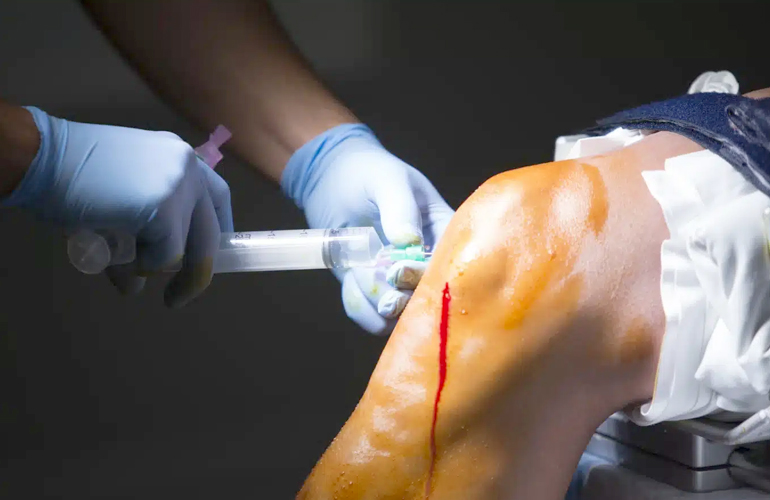
Joint Preservation Surgery
Joint Preservation Surgery focuses on treating joint problems at an early stage to protect and maintain the natural joint for as long as possible. Instead of replacing the joint, these procedures aim to repair damaged tissues, improve joint alignment, and prevent further deterioration.
This approach is especially beneficial for younger or active patients who want to maintain their natural joint function and delay or avoid joint replacement surgery.
When is Joint Preservation Recommended?
Joint preservation procedures may be recommended for patients experiencing:
-
Early-stage arthritis
-
Cartilage damage in the joint
-
Ligament injuries affecting joint stability
-
Joint deformities or misalignment
-
Persistent joint pain during movement or activity
-
Sports-related joint injuries
Early diagnosis and treatment can significantly improve joint health and prevent long-term complications.
Types of Joint Preservation Procedures
Depending on the condition and severity of joint damage, several procedures may be used to preserve the joint, including:
-
Arthroscopic Surgery for repairing cartilage or ligament damage
-
Cartilage Restoration Procedures to repair damaged joint surfaces
-
Osteotomy to correct bone alignment and reduce joint stress
-
Ligament Reconstruction to restore joint stability
These procedures aim to improve joint function and reduce pain while preserving the natural structure of the joint.
Benefits of Joint Preservation Surgery
-
Maintains the natural joint structure
-
Delays or prevents joint replacement surgery
-
Reduces pain and improves mobility
-
Restores joint stability and alignment
-
Supports an active and healthy lifestyle
Recovery and Rehabilitation
Recovery after joint preservation surgery includes a structured rehabilitation program focused on strengthening the surrounding muscles and improving joint flexibility.
Physiotherapy and guided exercises help patients regain strength, restore movement, and safely return to their normal activities.